
Still Nourished: What a Hard Week Taught Me About Leadership Capacity
What a hard week taught me about leadership capacity — and why the kitchen was the last thing I was willing to abandon
By Lace Flowers · Founder, Empire Kitchen
This week has been rough.
I have been unwell. I have been stressed. I am still not back on top form. And I am telling you this not because I want your sympathy — but because I think it matters that you know what happened in my kitchen anyway.
I still cooked. Every day. Not elaborate meals, not anything worth photographing, not anything that took longer than it needed to. But real food, made from scratch, for my family and for myself. On the days I felt worst. On the days when the delivery app was two taps away and the sofa was far more appealing than a chopping board.
I want to tell you why — not as a motivational story, but as a practical one. Because what kept me cooking this week is the same thing I teach, and it held up exactly when I needed it to.
What actually happens when stress and poor nourishment combine
Most people understand, in a general way, that stress is bad for you. Fewer people understand what happens specifically when sustained stress collides with poor nourishment — and why that combination is so much more destructive than either one alone.
Here is the mechanism.
When you are stressed, your body releases cortisol — your primary stress hormone. Cortisol is not the enemy. It is designed to be temporary. It sharpens your focus in the short term, mobilises energy, and helps you respond to threat. The problem is that it is only supposed to be on for a short time. Under sustained stress it stays elevated, and elevated cortisol over time does significant damage to your capacity to function.
Now add poor nourishment to that picture.
Unstable blood sugar — the result of skipped meals, ultra-processed food, or relying on caffeine and convenience — causes its own cortisol spikes. So you have stress cortisol and blood sugar cortisol running simultaneously, compounding each other, keeping your nervous system in a state of low-level alarm that it was never designed to sustain.
Your prefrontal cortex — the part of your brain responsible for decision making, emotional regulation, patience, and strategic thinking — is acutely sensitive to both cortisol and nutritional status. When cortisol is chronically elevated and your brain is not receiving consistent, quality fuel, that part of your brain starts to underperform. Not dramatically, not all at once. Gradually, quietly, in ways you might attribute to stress itself rather than to what you're eating.
You become more reactive. Less patient. Your judgment clouds. You make decisions you wouldn't make on a better day. You snap at people you care about. You avoid hard conversations because you don't have the bandwidth. You operate from a shorter and shorter window of capacity.
This is not a character failing. This is chemistry.
Why this week was a test case
I know all of this. I have spent 18 years studying it, observing it, and building a business around it. And this week I felt it.
Being unwell already disrupts your body's regulatory systems. Your immune response is running hard. Your energy is depleted. Your sleep is probably disrupted. Your body is working harder than usual just to maintain baseline function — which means it has less left over for everything else.
Layer stress on top of that and the pull toward convenient, ultra-processed food becomes very strong. Not because you're weak. Because your body is looking for fast energy, for comfort, for something easy when everything feels effortful. The delivery app understands this. It is designed to capitalise on exactly this moment.
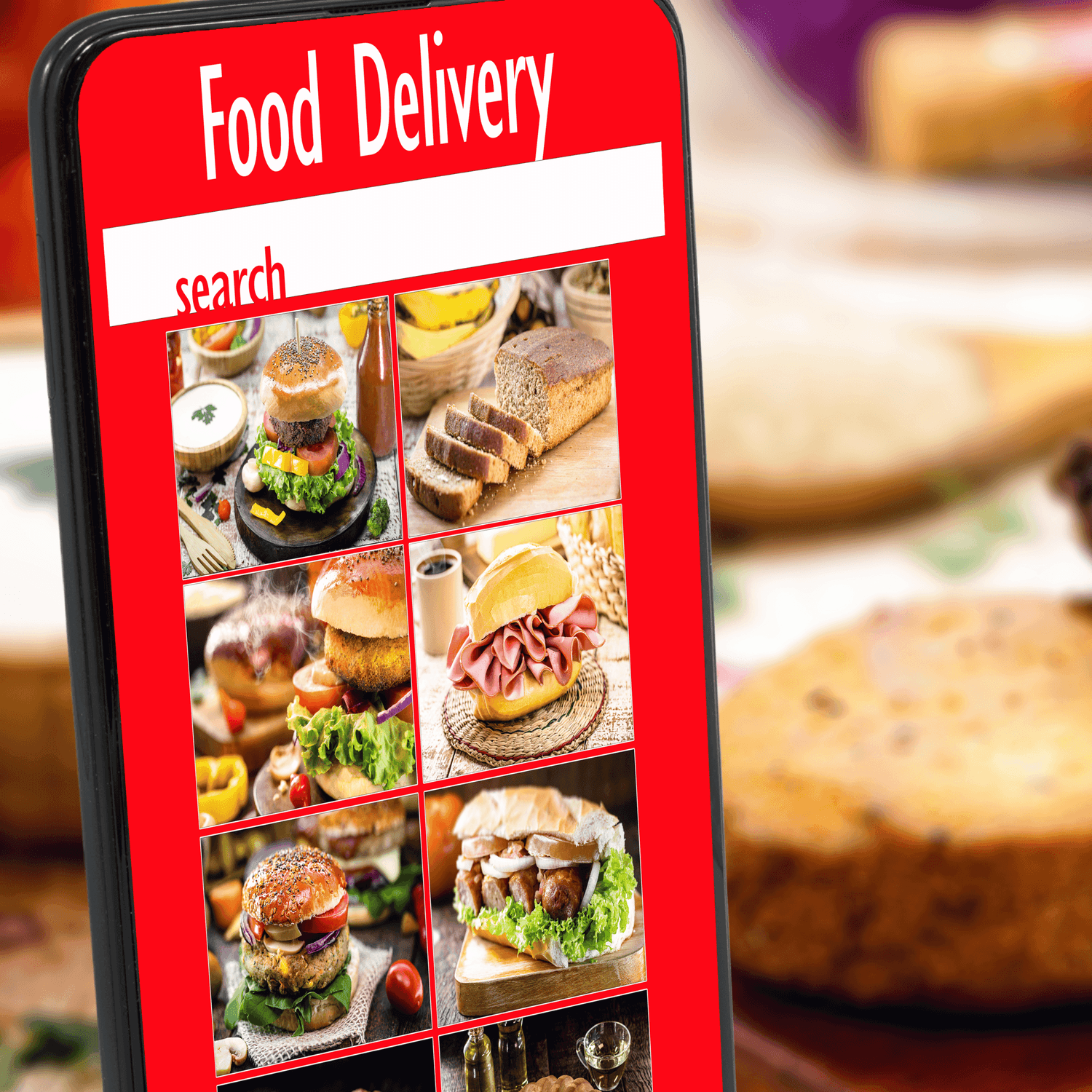
What I know — from the research and from experience — is that giving in to that pull makes everything worse within hours. A blood sugar spike followed by a crash. More cortisol. Less capacity. A worse afternoon than the morning already was.
So I cooked. Not because I am disciplined in some extraordinary way. Because I have a system that makes cooking easy enough to do even when I don't want to. And because I have spent long enough doing this to know, in my body, what happens when I stop.
What staying nourished actually looked like
I want to be specific here because I think the idea of 'cooking while unwell and stressed' conjures an image of something elaborate and effortful that most people don't have capacity for.
That is not what this was.
This was food I had partially prepared on a better day. This was the Cook Once, Eat Twice principle doing exactly what it is designed to do — carrying me through the days when I had the least to give. One cooking session earlier in the week meant that on the hardest days, real food was already there. I was reheating and assembling, not starting from scratch.
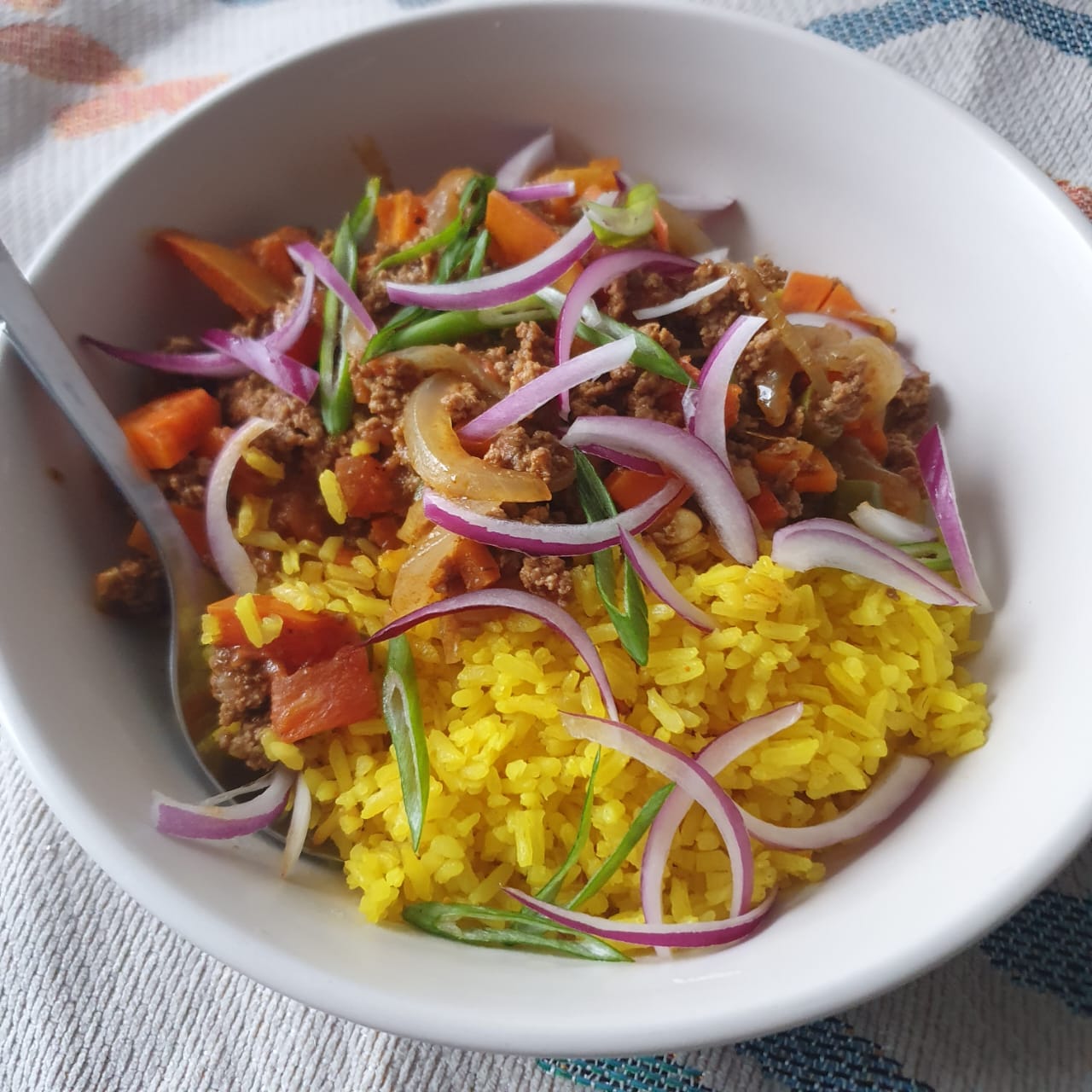
This is what I mean when I say nourishment is a system, not a willpower exercise. Willpower is a depleting resource — it runs out fastest when you need it most. Systems don't require willpower. They require a small investment of time and attention on the days when you have it, so that the days when you don't are already covered.
The meals were simple. Whole food, real ingredients, prepared without fuss. Nothing that required me to be at full capacity. But meals that kept my blood sugar stable, supported my immune system, and gave my brain what it needed to keep functioning — at least well enough to get through the week without making it worse.
THE COOK ONCE, EAT TWICE PRINCIPLE
Cook one meal that provides two or more — a solo portion for now and leftovers for tomorrow, or a batch that feeds the family across two or three days.
The investment is one cooking session. The return is consistent nourishment across multiple days without requiring effort on the days you have none to spare.
This is the system at the core of the Empire Kitchen membership and the framework taught in every workshop.
Why this is a leadership story
Everything I just described happens inside businesses every week.
Not to one person having a hard week. To teams. Consistently. Across working weeks, across high-pressure quarters, across the sustained demands of building and running something.
Your team members are navigating the same collision of stress and poor nourishment that I navigated this week. Most of them without a system. Most of them without the knowledge of what is actually happening in their body when they skip lunch, eat at their desk, grab whatever is fast and convenient, skip dinner because they're exhausted.
The consequences show up in your business in ways that are easy to misattribute. The short fuse in a team meeting. The poor decision made on a Friday afternoon. The creative block that sits over a project for days. The manager who knows they need to have a difficult conversation but keeps finding reasons not to. The employee who is present in body and absent in every way that matters.
These are not motivation problems. They are not attitude problems. They are not problems that a team away day or a new management framework will solve. They are physiological problems — and they have a physiological upstream cause that almost no workplace wellbeing programme touches.
I know this because I spent time in mental health settings — NHS and private — watching people arrive in crisis states that had been building for months or years. The patterns were consistent. Sustained pressure, disrupted sleep, poor nourishment, elevated cortisol, a nervous system that had been running beyond its capacity for too long. The acute episode was rarely the beginning. It was the end of a long process that could have been interrupted much earlier.
What interrupted it — what actually built the physiological resilience to sustain pressure without breaking — was consistent, quality nourishment. Not exclusively. Not as a cure. But as the foundation that everything else depended on.
These are not motivation problems. They are physiological problems — and they have a physiological upstream cause that almost no workplace wellbeing programme touches.
The generation that needs this most
There is something else worth naming.
The people most likely to be on your team right now — the people in their twenties and early thirties who are some of your most talented, most committed, most promising — are also the generation with the lowest cooking literacy in recorded history.
Not because they are lazy. Not because they don't care about their health. But because the skill was not passed down. The cultural knowledge that used to move from grandmothers to parents to children broke at some point in the last few decades. Convenience culture, dual-income households, the collapse of home economics in schools — the skill simply wasn't there to be learned in the way it once was.
Which means that when pressure rises — when a project goes sideways, when a deadline compounds, when a personal crisis coincides with a professional one — these team members do not have a kitchen to fall back on. They have a delivery app. They have the same ultra-processed options that everyone reaches for when they don't know how else to feed themselves quickly.
And the depleted capacity that follows compounds the pressure they are already under.
This is the problem Empire Kitchen exists to solve. Not through lectures about eating better. Not through meal plans that require time and skill people don't have. Through building the practical knowledge and the simple systems — Cook Once, Eat Twice, real food, achievable in any kitchen — that make consistent nourishment possible even on the worst weeks.
Even on weeks like mine.
What I want you to take from this
I am still not at full capacity. The week has been what it has been.
But I am nourished. My brain is working well enough. My patience has held where it needed to. The decisions I have made this week have been sound ones, made from a clear enough head, because the one thing I did not let slide was the foundation that everything else sits on.
That is not luck. That is not willpower. That is a system I built and a practice I maintain — and it held up precisely when it needed to.
If you want that for yourself, I can help you build it. If you want it for your team — a team that stays functional under pressure, that doesn't lose capacity when the weeks get hard — that is exactly what the Empire Kitchen workshop and membership are built for.
Not a one-off conversation about eating better. A system. The same one that got me through this week.
The workshop is 90 minutes. The membership keeps it going. Both are available at empire.kitchen.
Lace Flowers is the founder of Empire Kitchen, Co-Founder of The Flavor Room and co-author of Redefining Equity, Leadership and Influence in Online Business. She works with small business teams to build nourishment into their culture as a business strategy — not an afterthought.
Food culture writer exploring the diaspora kitchen.
All rights reserved.
© 2026 Empire Kitchen