Why Real Food Is a Corporate Performance Strategy
And what that actually looks like in practice
By Lace Flowers · Founder, Empire Kitchen
Something I hear often in corporate wellbeing conversations: we want something different. Something that actually hits.
I hear it from HR Directors who have tried the fruit bowls and the mindfulness apps and the lunchtime yoga. I hear it from People and Culture leaders who know their teams are running on empty but cannot find an intervention that connects. I hear it from founders and executives who are high-performing on the outside and exhausted on the inside, wondering why nothing they have tried has made a lasting difference.
The answer is usually the same. The wellbeing strategy is working downstream — after the stress has already compounded, after the decisions have already suffered, after good people have already started looking for the door.
The foundation was never touched.
That foundation is nourishment. And it is simpler — and more culturally specific, and more practically achievable — than most corporate wellbeing programmes have been willing to go.
The problem with generic wellbeing
Generic nutrition advice in a corporate setting tends to look like this: eat more vegetables, drink more water, reduce processed food, take your lunch break. It is not wrong. It is just disconnected from how people actually live, cook and eat — and from the specific pressures and cultural contexts that shape what ends up on a person's plate at the end of a demanding day.
When the advice is generic, the uptake is low. When the uptake is low, nothing changes. When nothing changes, the programme gets quietly replaced by the next initiative, and the cycle starts again.
Real food is not generic. It is specific. It is cultural. It is personal. And the approach that actually shifts behaviour is one that meets people in their real kitchens, with their real lives, and makes consistent nourishment feel achievable rather than aspirational.
The mid-afternoon slump that most professionals treat as inevitable is not inevitable. It is a nutrition problem with a nutrition solution.
What real food actually means
Every recipe I develop comes from my background as a British Jamaican home cook with 18 years of practice at the intersection of food, mental health and human performance. It is influenced by four years of cooking across Central and South America — adapting, improvising, finding what works when the familiar ingredients are not available.
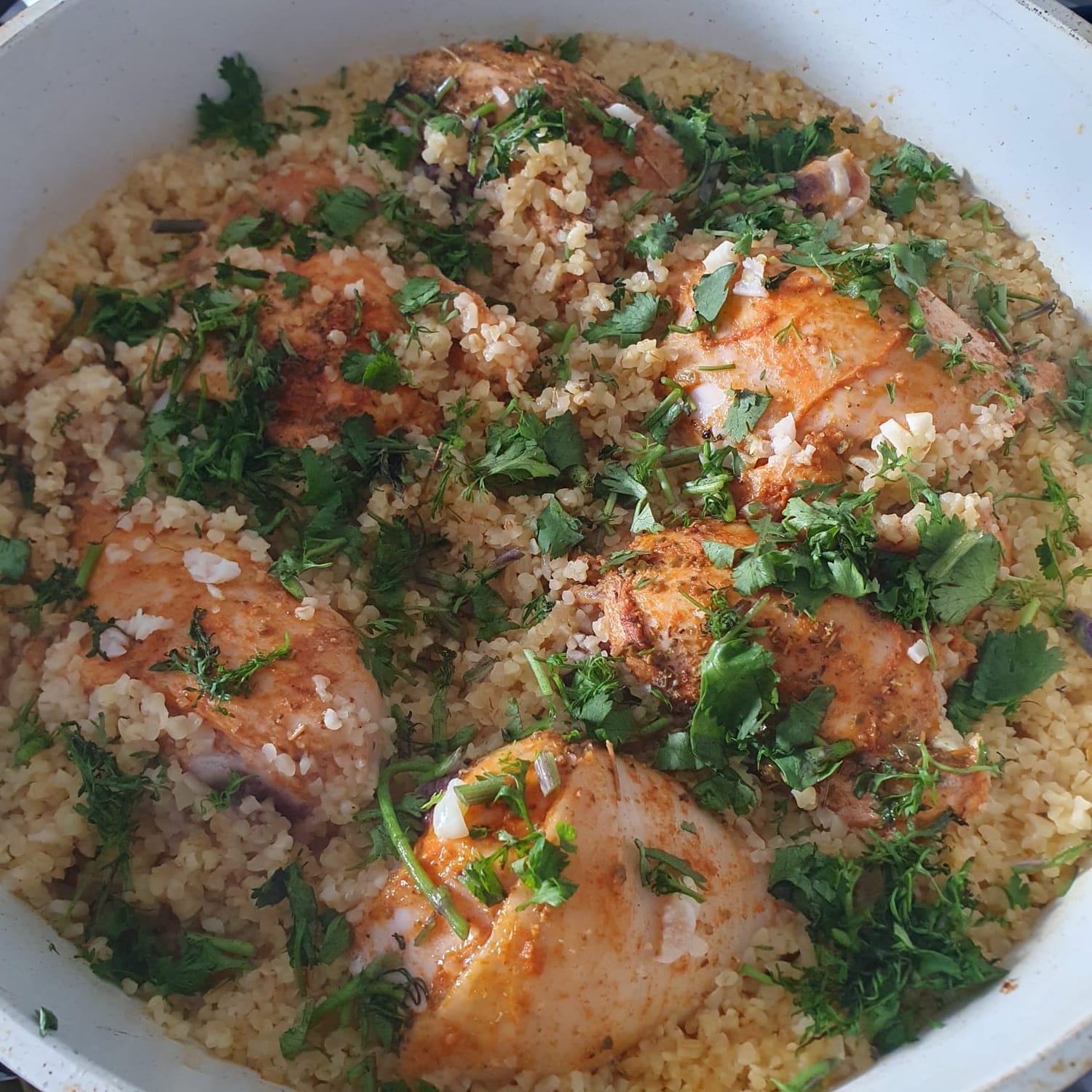
I photograph my actual dishes. The food my family eats at home, every day. Not styled, not generated, not performed. Real food made in a real kitchen for real people with real demands on their time.
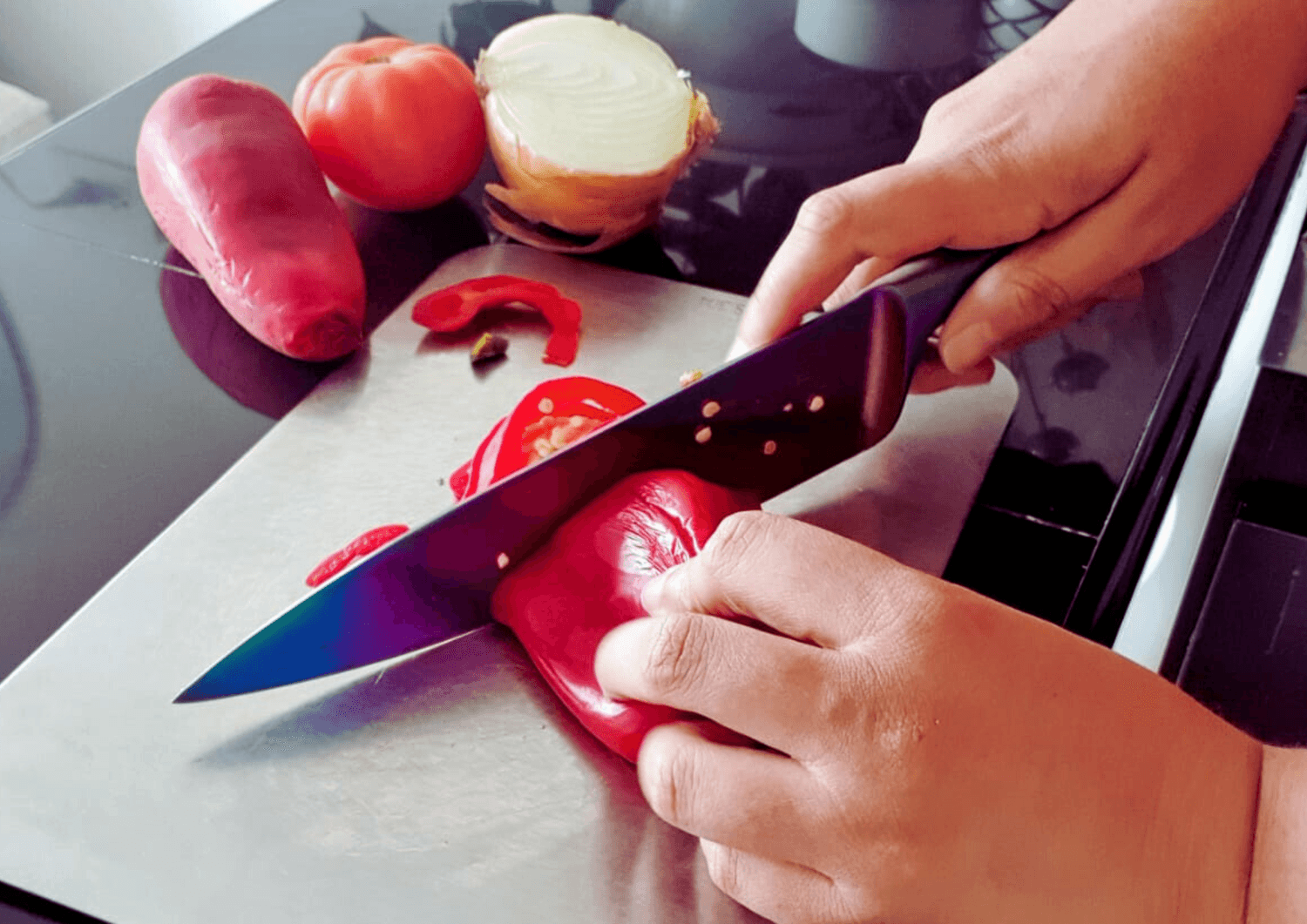
This matters in a corporate context because the people in your organisation have real kitchens too. They have demanding weeks, limited time, cultural food traditions they have either kept or lost, and a complicated relationship with cooking that nobody in their professional life has ever addressed directly.
The Nourished to Lead workshop meets them exactly there.
The connection between nourishment and performance
Your brain runs on glucose. When blood glucose is volatile — spiking after a processed meal and crashing two hours later — concentration, recall and emotional regulation go with it. The mid-afternoon slump that most professionals treat as inevitable is not inevitable. It is a nutrition problem with a nutrition solution.
Approximately 90% of the body's serotonin — the neurotransmitter most associated with mood stability and emotional regulation — is produced in the gut. What a person eats every day feeds or depletes that system. A depleted system makes harder decisions harder, longer days longer, and the capacity to sustain performance under pressure significantly lower.
This is not wellness advice. This is physiology. And it has a direct line to the quality of work your team produces, the decisions your leaders make, and the culture your organisation builds.
Real food is not generic. It is specific. It is cultural. It is personal. And the approach that actually shifts behaviour is one that meets people in their real kitchens, with their real lives.
What the Nourished to Lead workshop delivers
The Nourished to Lead workshop is a live, practical session for teams, leadership groups and organisations that understand nourishment is not a perk. It is a performance foundation.
Every session includes a live cooking demonstration. This is the moment the room changes every time. Watching real food being made — simply, quickly, without fuss — breaks the barrier that most people carry around cooking. The barrier that says this is complicated, this takes too long, this is not for someone like me.
It is not a nutrition lecture. It is not a diet programme. It is not a wellness talk that asks people to overhaul their lives. It is a practical shift in understanding — what your body needs to perform, what that looks like in a real working week, and how to get there without making it another thing on an already long list.
Sessions are available for teams of 10 to 30, with tiered pricing for different group sizes. Workshops are delivered live — in person or virtually — and can be tailored to your organisation's specific context and culture.
Who this is for
This workshop is for HR Directors and Heads of People and Culture who are looking for a wellbeing intervention that is genuinely different — not another tick-box session, but something that creates a lasting shift in how a team understands and approaches their own nourishment.
It is for leadership teams who are performing at a high level and want to sustain that performance without burning out. And it is for organisations that understand that a culture of real nourishment — not performative wellness, not generic advice — is a competitive advantage.
If any of that sounds like your organisation, I would love to have a conversation.
Lace Flowers is the founder of Empire Kitchen, Co-Founder of The Flavor Room and co-author of Redefining Equity, Leadership and Influence in Online Business. She works with small business teams to build nourishment into their culture as a business strategy — not an afterthought.
Food culture writer exploring the diaspora kitchen.
All rights reserved.
© 2026 Empire Kitchen